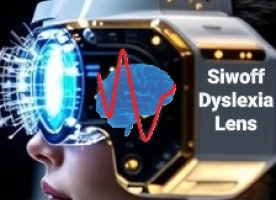
Understanding the Pathological Scope of Dyslexia
Dyslexia is a hereditary neurological condition that presents a significant barrier to literacy and academic equity. Far from being a rare struggle, it impacts an estimated 10-20% of the global population, accounting for approximately 30 million individuals within the United States alone.
Statistics indicate that students with dyslexia frequently fail to meet essential reading benchmarks by the 3rd grade.

Our Approach
While traditional methods focus on instructional personalization, our approach targets the underlying neuro-vision processing delay. Leveraging the Stiles-Crawford effect, we utilize the fact that photoreceptors are tunable based on the angle of light entering the eye.
Bridging the Neurological Gap

Targeted Therapy
Custom dyslexia eyeglasses that tackle the root of reading struggles, delayed processing.

Scientific Framework
Using the Stiles-Crawford effect, we adjust light angles to optimize photoreceptor function.
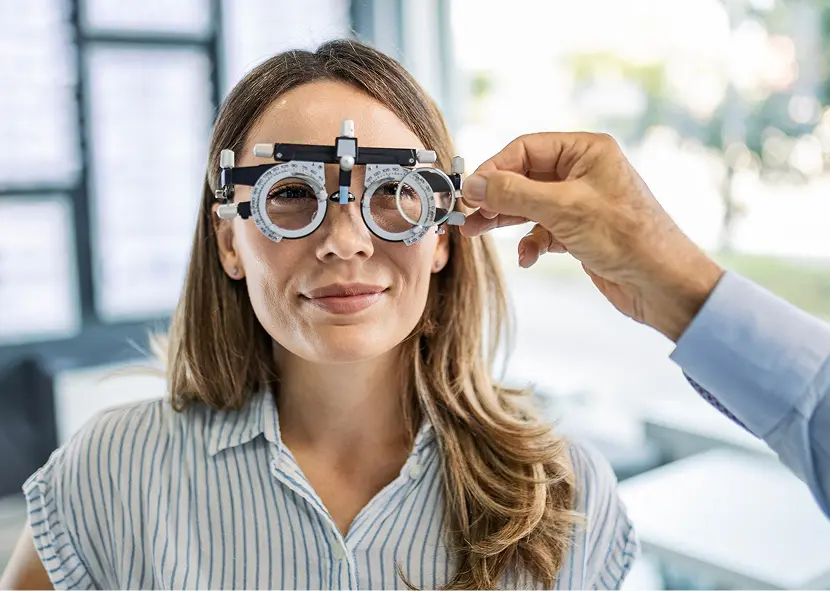
Precision Diagnostics
Patent-pending goggles assess neuro-ophthalmological pathways objectively.
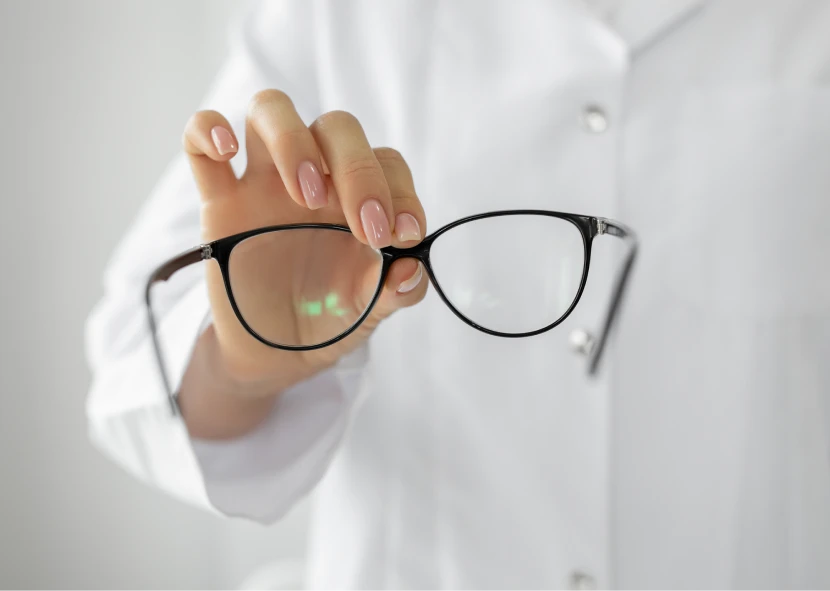
AI-Driven Customization
Our AI algorithm creates a fully personalized prescription from diagnostic data.
Age Range of Effective Treatment

Early Intervention (5-12 years)
Builds confidence and prevents learning gaps.

Adolescent Support (13-18 years)
Enhances academic performance during high school.

Adult Enhancement (19+ years)
Improves professional skills and daily life for adults with dyslexia.
Effective for ages 5–85, helping individuals at any stage overcome dyslexia-related reading challenges.
Patient Satisfaction & Referrals
Assessment
Before treatment, patients reported a mean score of 1.93 out of 5 (1 = worst, 5 = best).
Results
After treatment, satisfaction rose to a mean score of 4.4 out of 5.

Satisfaction
A sample of 20 patients referred an additional 35 new patients.
Follow-up surveys confirm patients consistently give high ratings, reflecting positive experiences and outcomes.